
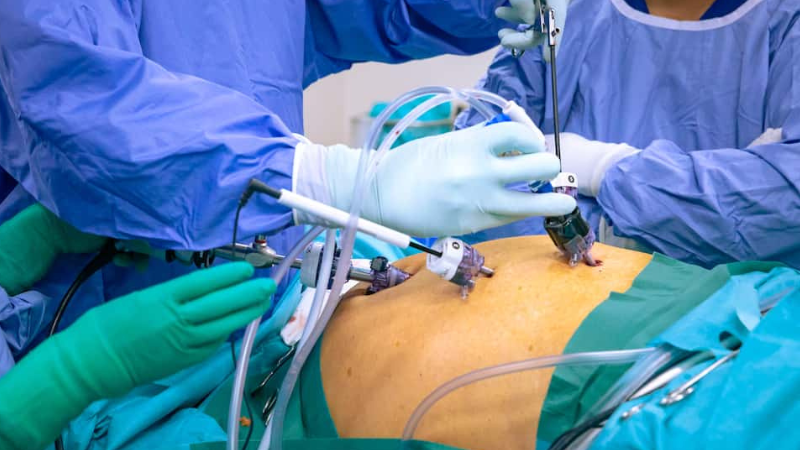
Anal Fissure
What Is an Anal Fissure?
An anal fissure is a small tear in the lining of the anus, but don’t let the word “small” fool you—it can cause intense pain, especially during bowel movements. Think of it like a paper cut in a sensitive area; even the slightest stretch can feel unbearable. Many people silently suffer from fissures, often delaying treatment due to embarrassment or fear of surgery.
Common Causes and Symptoms
Anal fissures are usually caused by:
- Passing hard stools
- Chronic constipation
- Straining during bowel movements
Symptoms often include sharp pain, bleeding, itching, and a burning sensation. If left untreated, an acute fissure can turn into a chronic condition, making treatment more complex.
In advanced cases, seeking expert care like Best Fissure Rectal Surgery In Indore
becomes essential for long-term relief.
Traditional Treatments for Anal Fissures
Medications and Lifestyle Changes
Initially, doctors recommend conservative treatments such as:
- High-fiber diet
- Stool softeners
- Topical ointments
- Warm sitz baths
These methods work well for early-stage fissures, but what happens when they don’t? That’s where surgical intervention comes into play.
Related Post
Top Post
Open Surgery (Lateral Internal Sphincterotomy)
Traditional surgery involves cutting a portion of the anal sphincter to reduce tension. While effective, it comes with risks such as:
- Painful recovery
- Longer healing time
- Possible incontinence
This is precisely why modern medicine is shifting toward minimally invasive solutions like laser treatment.
What Is Laser Treatment for Anal Fissures?
How Laser Surgery Works
Laser treatment for anal fissures uses focused light energy to precisely target and heal the affected tissue. Imagine using a fine-tipped brush instead of a broad stroke—that’s the level of precision laser offers.
The laser penetrates only 2–3 mm into the tissue, promoting healing while preserving surrounding structures.
Types of Laser Procedures
Common laser-based approaches include:
- Laser sphincterotomy
- Laser fissure ablation
These procedures are quick, often completed within 15–30 minutes, and usually require minimal hospitalization.
Why Laser Treatment Is Gaining Popularity
Minimally Invasive Nature
Nobody likes the idea of surgery, especially in sensitive areas. Laser treatment changes that perception. It’s minimally invasive, meaning:
- No large cuts
- Minimal bleeding
- Faster recovery
Precision and Controlled Energy
Laser technology allows surgeons to operate with incredible accuracy. This reduces damage to nearby tissues and significantly lowers complications.
According to insights aligned with organizations like the Society of American Gastrointestinal and Endoscopic Surgeons (SAGES)
minimally invasive procedures are transforming surgical outcomes globally.
Benefits of Laser Treatment for Anal Fissures
Faster Healing and Recovery
One of the biggest advantages? Speed. Most patients:
- Return to normal activities within 1–2 days
- Experience complete healing within 1–2 weeks
Compare that to traditional surgery, which can take weeks.
Reduced Pain and Discomfort
Pain is often the biggest fear. Laser treatment significantly reduces postoperative pain because it:
- Causes less tissue trauma
- Minimizes inflammation
Lower Risk of Incontinence
Traditional surgery carries a small but real risk of incontinence. Laser treatment, being sphincter-sparing, drastically reduces this risk—making it a safer option for many patients.
Clinical Effectiveness and Success Rates
Healing Rates Compared to Traditional Surgery
Studies show:
- Laser treatment healing rates: 89–92% within 4 weeks
- Traditional surgery: Up to 96% over longer periods
While traditional methods may slightly edge out in long-term success, laser excels in early recovery and patient comfort.
Recurrence Rates and Long-Term Outcomes
Recurrence can happen in any treatment:
- Laser treatment healing rates: 89–92% within 4 weeks
- Traditional: 15–29%
The key factor? Proper patient selection and surgeon expertise.
Safety and Complications
Common Risks and Side Effects
Laser treatment is generally safe, but minor issues may include:
- Temporary swelling
- Mild discomfort
- Rare thrombosis
Why Laser Is Considered Safer
With complication rates around 7–8% (mostly minor), laser stands out as a safer alternative compared to conventional surgery, especially for patients concerned about long-term side effects.
Laser vs Traditional Surgery: A Comparison
Procedure Time and Hospital Stay
| Parameter | Laser Treatment | Traditional Surgery |
|---|---|---|
| Procedure Time | 15–30 mins | 30–60 mins |
| Hospital Stay | 1 day or daycare | 2–3 days |
| Recovery | 1–2 weeks | 3–4 weeks |
Recovery and Patient Experience
Laser feels less like “surgery” and more like a quick medical procedure. Patients often describe it as smoother and less intimidating.
Who Is the Ideal Candidate for Laser Treatment?
Acute vs Chronic Anal Fissures
Laser is especially effective for:
- Chronic fissures
- Patients not responding to medication
When Doctors Recommend Laser Surgery
Doctors usually suggest laser when:
- Symptoms persist beyond 6 weeks
- Pain is severe
- Conservative treatments fail
Pre-Procedure Preparation
Tests and Diagnosis
Before surgery, doctors may recommend:
- Physical examination
- Anoscopy
- Basic blood tests
What to Expect Before Surgery
Preparation is simple:
- Light diet
- Fasting for a few hours
- Quick pre-op evaluation
Post-Procedure Care and Recovery
Immediate Aftercare
After laser treatment:
- Patients can walk within hours
- Mild pain medication may be prescribed
Long-Term Lifestyle Changes
To prevent recurrence:
- Eat a fiber-rich diet
- Stay hydrated
- Avoid straining
Cost and Accessibility
Is Laser Treatment Worth the Cost?
While slightly more expensive upfront, laser treatment saves costs in:
- Reduced hospital stay
- Faster return to work
- Fewer complications
Availability in India
Laser treatment is widely available in advanced centers, especially with experienced surgeons.
Why Choose an Experienced Surgeon
Importance of Expertise in Laser Procedures
Even the best technology needs skilled hands. Choosing an experienced Laparoscopic Surgeon in Indore ensures:
- Accurate diagnosis
- Proper technique
- Better outcomes
Call to Action (CTA)
Struggling with persistent fissure pain? Don’t wait for it to worsen. Early intervention can save you from long-term discomfort and complications. Book a consultation today and explore advanced laser treatment options tailored for you.
Why Choose Us for Anal Fissure Treatment
Expertise and Advanced Technology
At Dr. Rakesh Dhupia Jain’s clinic, you get access to:
- Advanced laser technology
- Evidence-based treatment
- Years of surgical expertise
Explore Best Fissure Rectal Surgery In Indore
for reliable and effective care.
Patient-Centered Care
Every patient is treated with:
- Personalized care plans
- Transparent communication
- Compassionate support
Conclusion
Laser treatment is not just a trend—it’s a transformation in how anal fissures are managed. With faster recovery, less pain, and improved safety, it offers a modern solution to an age-old problem. While it may not replace traditional surgery in every case, it certainly represents the future of patient-friendly care. If you’re tired of living with discomfort, it might be time to consider this advanced approach.
Frequently Asked Questions (FAQs)
Q1. Is laser treatment for anal fissures painful?
No, it is significantly less painful than traditional surgery due to minimal tissue damage.
Q2. How long does recovery take after laser fissure surgery?
Most patients recover within 1–2 weeks and resume daily activities in a few days.
Q3. Is laser treatment safe for chronic fissures?
Yes, it is highly effective for chronic cases that don’t respond to medications.
Q4. Can anal fissures come back after laser treatment?
There is a small recurrence risk, but proper lifestyle changes reduce it significantly.
Q5. Do I need hospitalization for laser fissure surgery?
Usually, it’s a daycare procedure, and patients go home the same day.