
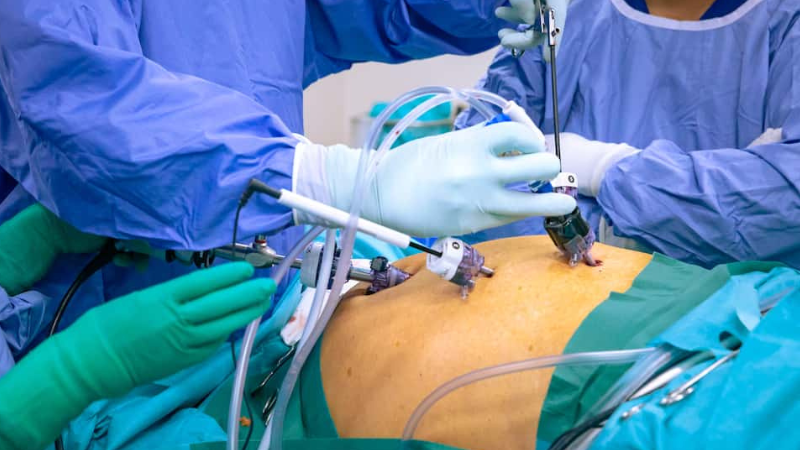
Hearing the word “surgery” can make anyone pause for a second. But what if the procedure is quick, involves tiny incisions, and gets you back on your feet faster than expected? That’s exactly what laparoscopic hernia repair offers. It’s a modern, minimally invasive solution that has transformed how hernias are treated today.
If you’re considering Laparoscopic Hernia Surgery in Indore, Dr. Rakesh Dhupia Jain provides advanced, patient-focused care using the latest minimally invasive techniques. Learn more about Laparoscopic Hernia Repair in Indore
This guide will walk you through everything—from preparation before surgery to recovery after—so you know exactly what to expect.
What Is Laparoscopic Hernia Repair?
Laparoscopic hernia repair is a minimally invasive procedure used to fix hernias using small incisions, a camera, and specialized surgical tools.
Instead of making a large cut like traditional open surgery, the surgeon:
- Inserts a laparoscope (tiny camera)
- Repairs the hernia using mesh support
- Closes small incisions with minimal stitches
Think of it like repairing a hole in a wall—but instead of tearing down the whole wall, the surgeon fixes it through a small opening with precision tools
Related Post
Top Post
Why Laparoscopic Hernia Surgery Is Preferred
So why are more patients choosing laparoscopic surgery?
Because it offers:
- Less postoperative pain
- Faster recovery
- Smaller scars
- Lower infection risk
- Short hospital stay
Studies show recurrence rates as low as 0.67% to 4.9%, making it a reliable and effective treatment option.
Before Surgery: What You Need to Know
Initial Consultation
Your doctor will:
- Review your medical history
- Perform a physical examination
- Recommend imaging if needed
Pre-Surgery Tests
You may need:
- Blood tests
- ECG
- Chest X-ray
These tests ensure you are fit for surgery.
Diet and Fasting Guidelines
Before surgery, you’ll receive specific instructions regarding food intake.
Typically:
- Eat a light meal the day before
- Avoid food and drink for 6–8 hours before surgery
This reduces complications related to anesthesia.
Day of Surgery: What Happens?
On the day of surgery, everything is streamlined to ensure comfort and safety.
Here’s what usually happens:
- You are admitted to the hospital
- Anesthesia is administered
- The surgeon performs the laparoscopic procedure
- The surgery typically takes 30–90 minutes
Most patients are surprised by how quick and smooth the process feels.
Immediately After Surgery
Once the procedure is completed, you’ll be moved to a recovery area.
What you may experience:
- Mild discomfort or soreness
- Slight swelling near incision sites
- Grogginess from anesthesia
The good news? Most patients are discharged the same day or within 24 hours.
Recovery Timeline: Week-by-Week Breakdown
Understanding the recovery timeline helps set realistic expectations.
Day 1–2
- Mild pain and discomfort
- Walking is encouraged
- Light diet resumed
Week 1
- Return to light daily activities
- Pain significantly reduced
- Stitches healing well
Weeks 2–3
- Increased mobility
- Resume non-strenuous work
- Energy levels improve
Weeks 4–6
- Full recovery expected
- Resume exercise gradually
- Avoid heavy lifting until cleared
Recovery is like rebooting your body—it takes time, but each day gets easier.
Pain Management After Surgery
Pain after laparoscopic hernia repair is usually mild and manageable.
Doctors may recommend:
- Oral pain medications
- Ice packs for swelling
- Gentle movement to reduce stiffness
Compared to open surgery, pain levels are significantly lower.
What Activities Should You Avoid?
During recovery, certain activities should be avoided to prevent complications.
Avoid:
- Heavy lifting for 4–6 weeks
- Intense workouts
- Straining during bowel movements
Following these guidelines ensures proper healing.
Signs of Complications to Watch For
Although rare, complications can occur.
Contact your doctor if you notice:
- Severe pain or swelling
- Fever
- Redness or discharge at incision site
- Persistent nausea
Early detection helps prevent serious issues.
Success Rates and Long-Term Outcomes
Laparoscopic hernia repair has excellent outcomes.
Key statistics:
.
- Recurrence rate: 0.67%–4.9%
- Readmission rate: ~2.9%
- High patient satisfaction levels
Most patients return to normal life without long-term issues.
.
Lifestyle Tips for Faster Recovery
Want to heal faster? Small habits make a big difference.
.
- Stay active with light walking
- Eat a fiber-rich diet
- Stay hydrated
- Avoid smoking
- Follow doctor’s instructions strictly
Recovery is not just about rest—it’s about smart healing.
.
Why Choose Dr. Rakesh Dhupia Jain for Laparoscopic Hernia Surgery in Indore?
Choosing the right surgeon is just as important as choosing the right procedure.
Dr. Rakesh Dhupia Jain offers:
- Expertise in Laparoscopic Hernia Surgery in Indore
- Advanced surgical techniques
- Personalized patient care
- High success rates and safety standards
For global surgical standards, refer to the
Society of
American Gastrointestinal and Endoscopic Surgeons (SAGES)
Call to Action
If you’re experiencing pain, discharge, or recurring abscesses, don’t delay medical evaluation. Early diagnosis and expert treatment can prevent complications and improve recovery outcomes.
Schedule a consultation today to discuss your symptoms and explore the most effective fistula treatment options available.
Conclusion
Laparoscopic hernia repair has changed the game in modern surgery. With smaller incisions, faster recovery, and excellent success rates, it offers a safer and more convenient alternative to traditional methods.
Knowing what to expect before and after surgery can ease anxiety and help you prepare better. With the right surgeon and proper care, recovery is smooth—and life after surgery is significantly more comfortable.
Frequently Asked Questions (FAQs)
Q1. How long does laparoscopic hernia surgery take?
It usually takes 30 to 90 minutes, depending on the complexity.
Q2. Is laparoscopic hernia repair painful?
Pain is minimal and manageable with medications.
Q3. When can I return to work after surgery?
Most patients return to light work within 1–2 weeks.
Q4. How do doctors diagnose anal fistula?Are there any scars after laparoscopic surgery?
Scars are minimal due to small incisions.
Q5. Can hernia come back after surgery?
Recurrence is rare but possible, especially without proper care.