
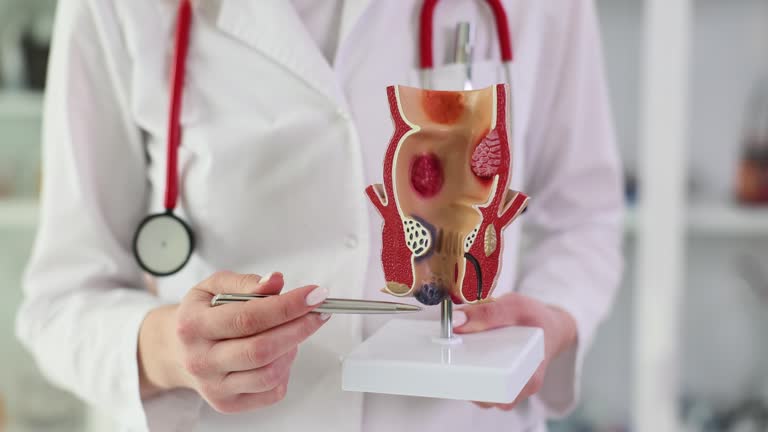
Hemorrhoids—commonly known as piles—affect millions of people, yet misinformation about treatment options still spreads faster than facts. One of the most debated topics today is laser piles surgery. Is it just marketing hype? Is it truly better than open surgery? Does it have a high recurrence rate?
Let’s separate myths from evidence-based facts using real clinical data and practical surgical experience.
If you are considering Laser Piles Treatment in Indore, Dr. Rakesh Dhupia Jain offers advanced, minimally invasive options designed for faster recovery and reduced discomfort. Learn more about
Now, let’s break down the most common laser surgery myths and the real medical facts behind them.
Understanding Laser Piles Surgery (Laser Hemorrhoidoplasty)
Laser hemorrhoidoplasty (LHP) is a minimally invasive procedure that uses a radial laser fiber to shrink hemorrhoidal tissue from inside. Unlike conventional open hemorrhoidectomy, it does not involve large external wounds.
The goal?
- Reduce bleeding
- Shrink prolapsed tissue
- Minimize pain
- Preserve surrounding structures
It’s especially effective for Grade II and Grade III hemorrhoids.
Laser Surgery Is Just Marketing Hype
This is one of the biggest laser surgery myths.
Related Post
Top Post
Clinical studies show 75–80% symptom reduction within 3–7 months.
Research published in peer-reviewed medical journals shows:
- 75–80% reduction in bleeding, pain, and itching
- 7% recurrence rate at 12 months
- 80% Grade III hemorrhoids downgraded to Grade II
- 83% Grade II downgraded to Grade I
These numbers are not marketing—they’re clinical outcomes.
Laser piles treatment facts clearly show measurable improvement and patient satisfaction rates above 90%.
Laser Isn’t as Effective as Open Surgery
Many patients assume traditional open hemorrhoidectomy is more powerful because it “removes everything.”
Long-term results are comparable.
One-year recurrence rates:
- Laser: 28.6%
- Open surgery: 20%
- Difference statistically insignificant
However, laser offers:
- Less postoperative pain
- Lower morbidity
- Earlier return to work
- Shorter operative time (16 minutes vs 27 minutes)
So while both procedures are effective, laser piles surgery provides better short-term comfort without compromising long-term success.
Laser Only Works for Mild Cases
Another common misconception.
Laser works best for Grade II and Grade III hemorrhoids.
Studies show:
- 87% success rate
- Significant downgrading of advanced hemorrhoids
- Minimal risk of stenosis or incontinence
Laser piles treatment is ideal when there is bleeding and moderate prolapse but not extreme external disease.
For properly selected patients, results are excellent.
Recovery Takes as Long as Open Surgery
Ask anyone who has undergone open hemorrhoidectomy—they often describe 2–3 weeks of significant discomfort.
95% of laser patients go home the same day.
Recovery timeline:
- Discharge: Same day (Daycare procedure)
- Return to work: Day 3–5
- Minimal postoperative pain during first month
- No long-term bowel habit disturbance
Compared to open surgery hospitalization of 3–5 days and weeks off work, laser piles recovery time is significantly shorter.
This is why working professionals increasingly prefer Laser Piles Surgery in Indore over conventional methods.
Laser Has a High Recurrence Rate
This myth persists due to misunderstanding.
Recurrence depends on grade matching and surgeon expertise.
Data shows:
- 6–7% recurrence at 9–12 months
- 77% reduction in acute hemorrhoidal syndrome
- Comparable long-term outcomes to open surgery
Laser hemorrhoidectomy recurrence is low when:
- Proper patient selection is done
- Correct energy settings are used
- Procedure is performed by an experienced surgeon
Laser Surgery Has More Complications
Some believe laser causes hidden damage.
Complication rates are below 3–4%.
Laser surgery benefits include:
- Minimal blood loss (laser coagulates vessels)
- Very low infection rates
- No major long-term complications like fistula
- No permanent fecal incontinence
Because the laser seals blood vessels instantly, bleeding risk is significantly lower than open surgery.
For additional global surgical guidelines, refer to the
Society of American Gastrointestinal and Endoscopic Surgeons (SAGES):
Laser vs Open Surgery: Quick Comparison
| Parameter | Laser Surgery | Open Surgery |
|---|---|---|
| Success Rate | 87–89% | 88–92% |
| Pain (First Month) | Minimal | Significant |
| Operative Time | ~16 minutes | ~27 minutes |
| Hospital Stay | Same day | 3–5 days |
| Work Return | 3–5 days | 2–3 weeks |
| Complications | <4% | Higher |
Laser provides clear advantages in recovery and comfort while maintaining similar effectiveness.
Who Is the Ideal Candidate for Laser Piles Surgery?
Laser piles surgery is best suited for:
- Grade II hemorrhoids
- Grade III hemorrhoids without severe prolapse
- Patients seeking faster recovery
- Working professionals
- Patients concerned about pain
It may not be ideal for:
- It may not be ideal for:
- Large Grade IV hemorrhoids
- Extensive thrombosed piles
- Severe external components
Consultation with a specialist ensures proper grade matching.
Why Choose Dr. Rakesh Dhupia Jain for Laser Piles Surgery in Indore?
Choosing the right surgeon matters more than choosing the technology.
Dr. Rakesh Dhupia Jain is recognized for:
- Expertise in Laser Piles Treatment in Indore
- Advanced minimally invasive techniques
- High patient satisfaction
- Focus on reduced recurrence
- Same-day discharge protocols
- Evidence-based approach
If you’re looking for safe and effective Laser Piles Treatment in Indore
you are in experienced hands.
Call to Action
Are you still living with bleeding, pain, or discomfort because you’re confused by myths?
Book your consultation today and explore whether laser piles surgery is the right solution for you.
Conclusion
Laser piles surgery is not hype—it’s a scientifically supported, minimally invasive advancement in hemorrhoid treatment. With lower pain, faster recovery, and comparable long-term outcomes to open surgery, it offers clear advantages for Grade II and III hemorrhoids.
The key lies in proper diagnosis, grade matching, and surgeon expertise.
When performed correctly, laser hemorrhoidoplasty delivers high success rates, low complications, and improved quality of life.
Frequently Asked Questions (FAQs)
Q1. Is laser piles surgery painful?
Laser surgery causes significantly less pain compared to open hemorrhoidectomy, especially in the first month.
Q2. How long does laser piles surgery take?
The procedure usually takes around 15–20 minutes.
Q3. What is the recovery time after laser piles treatment?
Most patients return to work within 3–5 days.
Q4. Is laser surgery permanent for piles?
It provides long-term relief, with recurrence rates comparable to open surgery when properly performed.
Q5. Can Grade 3 hemorrhoids be treated with laser?
Yes, laser is highly effective for Grade II and Grade III hemorrhoids.
Q6. Is hospitalization required for laser piles surgery?
No. It is typically a same-day discharge procedure.
Q7. Does laser piles surgery cause incontinence?
No. Studies show no long-term fecal incontinence when performed correctly.