
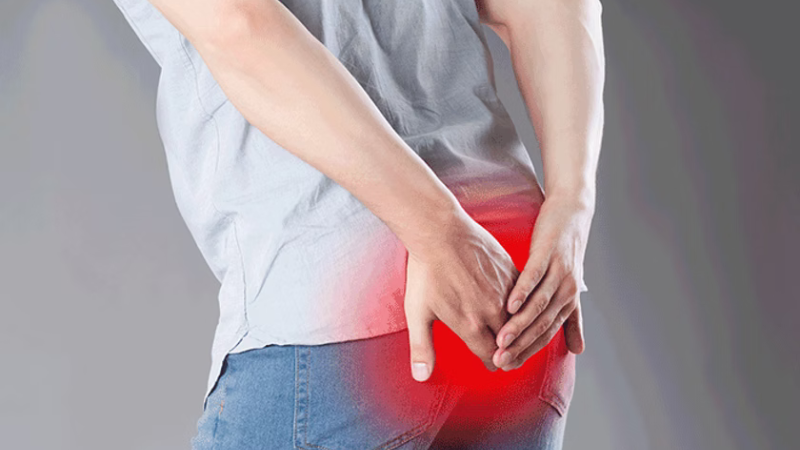
Experiencing sharp pain while passing stool? Noticing blood after bowel movements? These are not just minor issues you should ignore. They could be signs of an anal fissure—and in some cases, indicators that surgery might be needed.
If you’re struggling with persistent symptoms, understanding how to know if you need fissure surgery symptoms you shouldn’t ignore becomes crucial. At this stage, expert guidance matters. If you’re looking for professional care, you can explore treatment options with a trusted Laparoscopic Surgeon in Indore to get the right diagnosis and treatment.
What Is an Anal Fissure?
An anal fissure is a small tear in the lining of the anus. It may sound minor, but the pain can feel like passing glass or a sharp cut.
Causes of Anal Fissures
- Chronic constipation
- Passing hard stools
- Straining during bowel movements
- Poor dietary habits
Acute vs Chronic Fissure
- Acute fissure: Heals within a few weeks
- Chronic anal fissure: Lasts more than 8–12 weeks and may require surgery
Common Anal Fissure Symptoms That Need Attention
Ignoring early symptoms can worsen the condition. Here are the most common signs:
Pain During or After Bowel Movements
- Sharp, burning pain
- Lasts for hours after passing stool
Bleeding During Bowel Movements
- Bright red blood on toilet paper
- Often painless but alarming
Itching and Burning Around the Anus
- Persistent irritation
- Discomfort while sitting
Related Post
Top Post
Warning Signs Your Fissure Is Not Healing
Not all fissures heal with home remedies. Watch out for these:
Persistent Pain Despite Treatment
If medications and lifestyle changes don’t help, it’s a red flag.
Non-Healing Fissure
A fissure that won’t heal even after 8–12 weeks is considered chronic
Skin Tag Near the Anus
Often called a sentinel pile, this indicates long-standing fissure damage.
Signs You Need Fissure Surgery
So, when exactly should you consider surgery?
Chronic Anal Fissure
If your fissure has become chronic, surgery is often the most effective solution.
Recurrent Fissures
Do fissures keep coming back? That’s a strong indicator for surgical intervention.
Severe Pain Affecting Daily Life
If you’re avoiding bowel movements due to fear of pain, it’s time to act.
When to Consider Fissure Surgery in India
In India, many patients delay treatment, hoping symptoms will resolve naturally. But surgery should be considered when:
- Conservative treatments fail
- Pain becomes unbearable
- Daily routine is disrupted
Non-Surgical vs Surgical Treatment for Fissure
Non-Surgical Treatments
- High-fiber diet
- Stool softeners
- Topical ointments
Surgical Treatment
- Lateral internal sphincterotomy (most common)
- Provides long-term relief
According to the American Society of Colon and Rectal Surgeons, surgery is highly effective for chronic fissures that don’t respond to medical therapy.
What Happens If You Ignore Symptoms?
Ignoring fissure symptoms can lead to:
- Chronic pain
- Infection
- Deep ulcer formation
- Reduced quality of life
Think of it like a small crack in a wall—ignore it, and it becomes structural damage.
When Should You See a Doctor Immediately?
Seek medical help if you notice:
- Severe anal pain
- Continuous bleeding
- Fissure lasting more than 2 months
- Difficulty passing stool
Diagnosis of Chronic Anal Fissure
Doctors usually diagnose fissures through:
- Physical examination
- Medical history
- Rarely, additional tests
Treatment Options Available
Treatment depends on severity:
- Medication for early stages
- Botox injections (in some cases)
- Surgery for chronic fissures
Recovery After Fissure Surgery
Recovery is generally quick:
- Pain reduces within days
- Normal activities resume in 1–2 weeks
- High success rate
Prevention Tips to Avoid Recurrence
- Drink plenty of water
- Eat fiber-rich foods
- Avoid straining
- Maintain good hygiene
Call to Action
Don’t let pain control your life. If you’re experiencing symptoms you shouldn’t ignore, consult a specialist today and take the first step toward relief.
Why Choose Us?
When it comes to expert care, experience matters. With advanced techniques and patient-focused treatment, you can trustBest Piles Doctor & Laparoscopic Surgeon in Indore for accurate diagnosis and effective fissure treatment.
Conclusion
Understanding how to know if you need fissure surgery symptoms you shouldn’t ignore can save you from prolonged discomfort and complications. Early diagnosis and timely treatment make all the difference. If symptoms persist, don’t hesitate—seek expert care and regain your quality of life.
Frequently Asked Questions (FAQs)
Q1. What is the fastest way to heal an anal fissure?
A combination of diet changes, medication, and hydration works best.
Q2. Can stress cause fissures?
Indirectly, yes—stress can lead to digestive issues and constipation.
Q3. Is bleeding always present in fissures?
Not always, but it’s a common symptom.
Q4. Are fissures dangerous if untreated?
They can become chronic and severely painful.
Q5. Can fissures turn into piles?
No, but they can coexist and worsen symptoms.