Varicose Veins
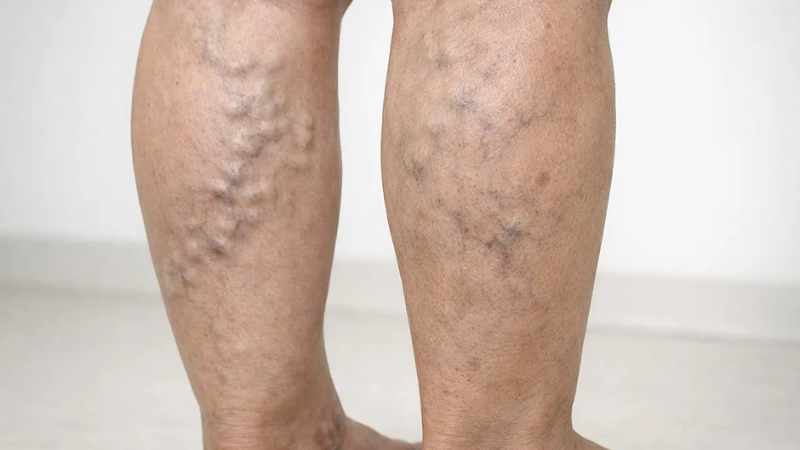
Varicose veins are something many people brush off as just a cosmetic issue—those twisted, bulging veins that show up on the legs. But here’s the real question: are they harmless, or could they be signaling something more serious?
At Dr. Rakesh Dhupia Jain’s clinic, a trusted name for Varicose Veins Treatment in Indore, patients often ask whether they should worry about these visible veins. If you’re unsure, it’s worth exploring your options and understanding when to seek help. 👉 Learn more about expert care for Varicose Veins Treatment in Indore.
What Are Varicose Veins?
Varicose veins occur when the valves inside your veins stop working efficiently. Normally, these valves keep blood flowing in one direction—back to your heart. But when they weaken, blood starts pooling, causing veins to enlarge and twist.
Think of it like a faulty pipeline system. When pressure builds up and flow gets disrupted, the pipes bulge—and that’s exactly what happens inside your veins.
They most commonly appear in the legs because standing and walking increase pressure in the lower body veins.
Are Varicose Veins Really Dangerous?
Myth vs Reality
Many people believe varicose veins are purely cosmetic. While that’s true in the early stages, ignoring them completely can be risky.
When They Are More Than a Cosmetic Concern
Varicose veins can become dangerous if they progress. Studies show that untreated cases can lead to complications in 20–30% of patients, including chronic venous insufficiency and skin damage.
So yes, while not always dangerous initially, they can evolve into serious health concerns over time.
Related Post
Top Post
Common Symptoms of Varicose Veins
Early Warning Signs
- Visible blue or purple veins
- Mild aching or heaviness in the legs
- Itching around veins
Progressive Symptoms to Watch
- Swelling in the lower legs
- Burning or throbbing pain
- Muscle cramping, especially at night
If you notice symptoms getting worse, your body is signaling that it’s time to take action.
What Happens If Varicose Veins Are Left Untreated?
Chronic Venous Insufficiency (CVI)
When vein function continues to deteriorate, it can lead to CVI—a condition where blood pools in the legs, causing long-term swelling and discomfort.
Skin Changes and Discoloration
You may start seeing:
- Darkened skin (hyperpigmentation)
- Thickened or hardened areas
- Persistent itching
These are not just cosmetic issues—they indicate worsening circulation problems.
Serious Complications of Varicose Veins
Blood Clots and Deep Vein Thrombosis (DVT)
One of the most concerning risks is clot formation. Studies suggest people with varicose veins may have up to 5 times higher risk of DVT, a potentially life-threatening condition.
For more clinical insights, refer to the Society of American Gastrointestinal and Endoscopic Surgeons (SAGES) which highlights the importance of timely intervention in vascular conditions.
Leg Ulcers and Non-Healing Wounds
Untreated veins can lead to ulcers, especially near the ankles. These wounds are slow to heal and can significantly impact quality of life.
Bleeding Varicose Veins
In severe cases, veins close to the skin surface may rupture, causing unexpected bleeding. This is a medical emergency.
Warning Signs That Require Immediate Medical Attention
Pain, Swelling, and Redness
Persistent discomfort combined with swelling could indicate inflammation or clotting.
Warmth and Tenderness in the Leg
This may signal a developing clot—something you should never ignore.
Sudden Bleeding or Ulcers
If a vein starts bleeding or an ulcer forms, seek medical help immediately.
When to See a Doctor for Varicose Veins
You should consult a specialist if:
- Pain interferes with daily activities
- Swelling doesn’t improve with rest
- Skin changes appear
- You notice bleeding or ulcers
Don’t wait for symptoms to worsen—early diagnosis can make treatment simpler and more effective.
Risk Factors That Increase Severity
Age, Gender, and Genetics
- More common in women
- Risk increases with age
- Family history plays a major role
Lifestyle and Occupation Factors
- Long hours of standing or sitting
- Obesity
- Lack of physical activity
Your daily habits can either slow down or accelerate the progression.
Diagnosis of Varicose Veins
Physical Examination
Doctors assess visible veins and symptoms.
Ultrasound and Imaging Tests
A Doppler ultrasound helps evaluate blood flow and detect valve dysfunction
Treatment Options for Varicose Veins
Lifestyle Changes and Conservative Care
- Exercise regularly
- Elevate legs
- Wear compression stockings
Minimally Invasive Treatments
- Laser therapy (EVLT)
- Radiofrequency ablation
Surgical Options
Reserved for severe cases where other treatments fail.
Benefits of Early Treatment
Preventing Complications
Early care reduces the risk of ulcers, clots, and chronic pain.
Improving Quality of Life
You’ll experience:
- Less pain
- Better mobility
- Improved confidence
Modern Treatments Available Today
Laser Treatment and EVLT
Minimally invasive and highly effective, with faster recovery.
Sclerotherapy and Radiofrequency Ablation
These techniques seal affected veins without major surgery.
Call to Action (CTA)
If you’re noticing symptoms or discomfort, don’t ignore them. Early evaluation can prevent serious complications and help you return to a pain-free life.
Why Choose Us for Varicose Vein Treatment?
Expertise and Advanced Care
Choosing the right specialist makes all the difference. At Dr. Rakesh Dhupia Jain’s clinic, you receive:
- Advanced diagnostic tools
- Minimally invasive treatments
- Personalized care plans
- Expertise from a leading Laparoscopic Surgeon in Indore
Explore trusted and advanced care for Varicose Veins Treatment in Indore and take the first step toward healthier legs.
Conclusion
So, are varicose veins dangerous? The answer isn’t a simple yes or no. In the early stages, they may seem harmless—but if left untreated, they can lead to serious complications like ulcers, blood clots, and chronic pain.
The key is awareness. Listen to your body, watch for warning signs, and don’t hesitate to seek medical advice. With modern treatments available today, managing varicose veins is easier, safer, and more effective than ever.
Frequently Asked Questions (FAQs)
Q1. Are varicose veins life-threatening?
Not usually, but complications like DVT can become serious if ignored.
Q2 .When should I worry about varicose veins?
If you notice pain, swelling, skin changes, or bleeding, consult a doctor immediately.
Q3. Can varicose veins go away on their own?
No, they typically worsen over time without treatment.
Q4. What is the best treatment for varicose veins?
Minimally invasive treatments like laser therapy are highly effective.
Q5. How can I prevent varicose veins from worsening?
Stay active, maintain a healthy weight, and avoid prolonged standing or sitting.