
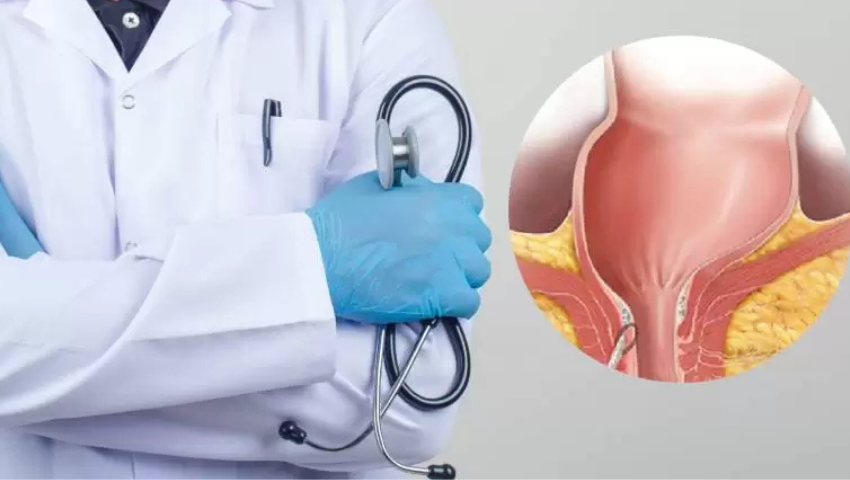
Anal fistula is a painful and often recurring condition that requires expert medical care. Many patients delay treatment or choose the wrong specialist simply because they are unsure what qualifications or experience to look for. However, selecting the right doctor for fistula treatment is one of the most important decisions you can make for long-term healing and preventing recurrence.
If you are searching for reliable Fistula Treatment in Indore, Dr. Rakesh Dhupia Jain offers advanced diagnosis and modern surgical options designed to treat fistulas effectively with minimal recurrence. Learn more about
In this guide, we will explain how to evaluate a fistula specialist, what questions to ask, and what factors truly matter when choosing the right surgeon.
Why Choosing the Right Fistula Doctor Matters
Anal fistula treatment is not just about performing surgery. The procedure must preserve the anal sphincter while removing the infected tract completely. If the surgery is incomplete or poorly planned, the fistula can return.
Research shows:
Two main surgical approaches are used:
- 5.9% recurrence rate for simple fistulas
- 25.4% recurrence for complex fistulas
- Overall healing rates up to 93.5% when performed by experienced specialists
This means the skill and experience of the surgeon play a critical role in successful treatment.
Related Post
Top Post
1. Look for Specialization in Colorectal or Proctology Surgery
Not all surgeons treat fistulas regularly. The ideal doctor should have training in:
- Colorectal surgery
- Proctology
- Gastrointestinal surgery
These specialists are experienced in managing complex anorectal conditions and understand how to treat fistulas without damaging the sphincter muscles.
Doctors who frequently perform procedures like fistulotomy, LIFT, laser fistula treatment, and advancement flap surgery are typically better equipped to handle difficult cases.
2. Evaluate the Surgeon’s Experience With Fistula Cases
Experience is one of the most important factors when choosing the right doctor for fistula treatment.
Ask questions such as:
- How many fistula surgeries do you perform each year?
- What is your success rate?
- What is the recurrence rate in your patients?
A surgeon who regularly performs fistula surgeries will be familiar with variations in fistula anatomy and can choose the best technique for your condition.
However, open surgery may still be necessary in complex cases such as ruptured appendicitis or severe infection.
3. Check for Expertise in Sphincter-Sparing Techniques
One of the biggest risks of fistula surgery is damage to the anal sphincter, which can lead to incontinence.
Modern treatment focuses on sphincter-preserving procedures, including:
- LIFT (Ligation of Intersphincteric Fistula Tract)
- Laser fistula closure
- Advancement flap surgery
- Biologic plugs
These techniques aim to close the fistula tract while protecting continence.
When consulting a surgeon, ask which techniques they use and how they choose the best approach for each patient.
4. Confirm Advanced Diagnostic Tools
Proper diagnosis is critical before performing surgery.
Top specialists use imaging techniques such as:
- MRI fistulography
- Endoanal ultrasound
These tests help map the entire fistula tract and identify hidden branches that might otherwise cause recurrence.
Accurate imaging significantly improves surgical outcomes.
5. Review Success Rates and Recurrence Statistics
Understanding treatment outcomes is essential.
Studies show:
- Fistulotomy success rates: 80–100% for simple fistulas
- Average recurrence across procedures: ~19%
- Overall healing rates: up to 93.5%
A good surgeon should be transparent about these statistics and explain what they mean for your specific case.
6. Consider Patient Reviews and Testimonials
Patient experiences can provide valuable insight into:
- Doctor’s communication style
- Hospital facilities
- Post-surgery recovery experience
- Staff support
Look for consistent positive feedback about professionalism, surgical outcomes, and follow-up care.
While reviews shouldn’t be the only factor, they can help you understand how the clinic treats patients.
7. Evaluate the Hospital or Surgical Facility
The hospital environment plays an important role in safety and recovery.
Choose a clinic that offers:
- Advanced surgical equipment
- Dedicated colorectal care
- Modern operating rooms
- Infection control protocols
Hospitals experienced in minimally invasive surgery often provide better patient outcomes.
8. Assess Postoperative Care and Follow-Up
Successful fistula treatment doesn’t end after surgery.
Proper follow-up care helps prevent complications and recurrence.
Ask about:
- Post-surgery wound care
- Follow-up visits
- Diet and lifestyle recommendations
- Pain management support
A good doctor ensures that recovery continues smoothly even after the procedure.
9. Communication and Patient Comfort
Fistula conditions can be uncomfortable to discuss, which makes patient-doctor communication extremely important.
Choose a doctor who:
- Listens carefully to your concerns
- Explains treatment options clearly
- Provides realistic expectations
- Encourages questions
Clear communication builds trust and ensures you fully understand your treatment plan.
Why Choose Dr. Rakesh Dhupia Jain for Fistula Treatment in Indore?
When selecting a fistula specialist, expertise and patient-centered care matter.
Dr. Rakesh Dhupia Jain is recognized for:
- Expertise in advanced Fistula Treatment in Indore
- Experience with modern sphincter-sparing techniques
- Accurate diagnosis using advanced imaging
- Personalized treatment planning
- Comprehensive postoperative care
Patients seeking reliable
Fistula Treatment in Indore
can benefit from evidence-based care and advanced surgical solutions.
For international clinical guidelines on colorectal surgery, you can also refer to the
European Society of Coloproctology (ESCP)
Call to Action
If you’re experiencing pain, discharge, or recurring abscesses, don’t delay medical evaluation. Early diagnosis and expert treatment can prevent complications and improve recovery outcomes.
Schedule a consultation today to discuss your symptoms and explore the most effective fistula treatment options available.
Conclusion
Choosing the right doctor for fistula treatment can significantly impact your recovery and long-term health. Factors such as surgical experience, specialization, diagnostic tools, and postoperative care all play important roles in successful outcomes.
By selecting a skilled colorectal specialist and following a personalized treatment plan, most patients can achieve long-term healing with minimal risk of recurrence.
Taking the time to research and consult the right doctor is the first step toward effective and lasting relief.
Frequently Asked Questions (FAQs)
Q1. What type of doctor treats anal fistulas?
Colorectal surgeons, proctologists, and gastrointestinal surgeons typically treat anal fistulas.
Q2. What is the success rate of fistula surgery?
Success rates range from 80–100% for simple fistulas, depending on the surgical technique used.
Q3. Can fistula come back after surgery?
Yes, recurrence can occur, especially in complex fistulas, but experienced surgeons significantly reduce this risk.
Q4. How do doctors diagnose anal fistula?
Diagnosis usually involves physical examination, MRI fistulography, or endoanal ultrasound.
Q5. Is laser treatment effective for fistula?
Laser fistula treatment can be effective for selected cases and offers a minimally invasive approach with quicker recovery.