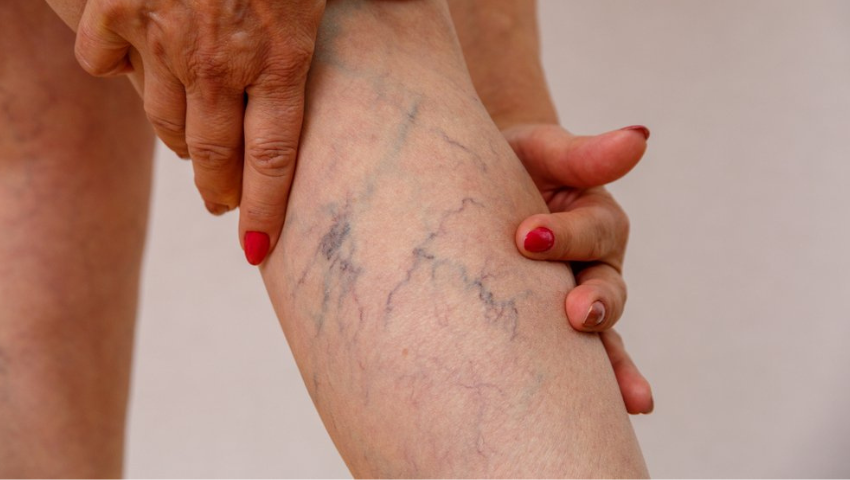
Varicose veins are more than just a cosmetic concern. For many people, they cause aching pain, swelling, heaviness in the legs, and discomfort after long hours of standing or sitting. As medical technology evolves, laser treatment for varicose veins has become one of the most popular minimally invasive options. But many patients still ask an important question: Is laser treatment really worth it?
If you are considering advanced Varicose Veins Treatment in Indore, Dr. Rakesh Dhupia Jain offers modern minimally invasive procedures designed to treat varicose veins effectively with minimal downtime. Learn more about
In this article, we’ll explore how laser treatment works, its benefits, success rates, risks, and whether it is truly the best option for patients dealing with varicose veins.
Understanding Varicose Veins
Varicose veins occur when valves inside the veins become weak or damaged, causing blood to pool instead of flowing properly back to the heart. This leads to enlarged, twisted veins that are visible under the skin.
Common types include:
- Aching or heavy legs
- Swelling around the ankles
- Burning or throbbing sensation
- Visible bulging veins
- Skin discoloration in severe cases
While lifestyle changes and compression stockings may help mild cases, advanced varicose veins often require medical treatment.
Related Post
Top Post
What Is Laser Treatment for Varicose Veins?
Laser treatment, also known as Endovenous Laser Therapy (EVLT or EVLA), is a minimally invasive procedure that uses laser energy to close off damaged veins.
During the procedure:
- A small catheter is inserted into the affected vein.
- A laser fiber is guided through the vein.
- Laser heat seals the vein shut.
- Blood naturally redirects to healthy veins.
Because the vein is closed internally rather than removed, the body gradually absorbs it over time.
This technique has become widely preferred because it requires no large incisions and minimal recovery time.
How Effective Is Laser Treatment for Varicose Veins?
One of the strongest arguments for laser therapy is its high success rate.
Clinical studies show:
- 95–100% initial vein closure rate
- 98–99.7% success with optimized protocols
- 90%+ effectiveness for large veins
Long-term data suggests that about 66% of patients remain recurrence-free after 5 years. While recurrence can occur in some cases, rates are similar to traditional surgical treatments.
This means laser treatment provides durable results for most patients.
Benefits of Laser Treatment for Varicose Veins
Laser therapy offers several advantages compared to traditional vein stripping surgery.
Minimally Invasive Procedure
Only a small puncture is required to insert the laser fiber, avoiding large surgical incisions.
Minimal Pain
Most patients experience only mild discomfort during and after the procedure.
Faster Recovery
Many patients return to normal activities within 24–48 hours.
Lower Infection Risk
Smaller entry points significantly reduce infection risks compared to open surgery.
No Visible Scars
Because there are no large cuts, cosmetic results are excellent.
These advantages make laser treatment particularly appealing for working professionals who want a fast recovery.
Potential Risks and Side Effects
Although laser treatment is generally safe, no medical procedure is completely risk-free.
Reported complications include:
- Bruising (6.4%)
- Swelling (7.2%)
- Temporary nerve irritation (3.6%)
- Temporary nerve irritation (3.6%)
- Deep vein thrombosis (about 2%)
Most of these complications are mild and resolve with proper post-procedure care.
Choosing an experienced surgeon greatly reduces these risks.
Laser Treatment vs Traditional Varicose Vein Surgery
| Feature | Laser Treatment (EVLT) | Traditional Surgery |
|---|---|---|
| Incisions | Small puncture | Larger surgical cuts |
| Pain | Minimal | Moderate |
| Recovery time | 1–2 days | 2–3 weeks |
| Infection risk | Lower | Higher |
| Scarring | Minimal | Possible |
Because of these advantages, many doctors now recommend laser treatment as the first-line surgical option for varicose veins.
Who Is an Ideal Candidate for Laser Treatment?
Laser treatment works best for patients with:
- Symptomatic varicose veins
- Venous reflux confirmed by ultrasound
- Leg pain or swelling
- Visible bulging veins
- Skin changes due to venous insufficiency
However, certain cases—such as extremely large veins or complex vascular conditions—may require alternative procedures.
A detailed medical evaluation helps determine the best treatment approach.
Lifestyle Changes That Support Treatment
Even after laser therapy, healthy lifestyle habits can improve outcomes and reduce recurrence risk.
Helpful habits include:
- Regular walking or exercise
- Maintaining a healthy weight
- Avoiding prolonged standing
- Wearing compression stockings when recommended
- Elevating legs during rest
These changes help improve blood circulation and protect vein health.
Why Choose Dr. Rakesh Dhupia Jain for Varicose Veins Treatment in Indore?
Successful treatment depends not only on the technology used but also on the experience of the surgeon.
Dr. Rakesh Dhupia Jain provides:
- Advanced Varicose Veins Treatment in Indore
- Expertise in minimally invasive laser procedures
- Comprehensive vascular evaluation
- Personalized treatment plans
- High patient satisfaction and safety standards
Patients seeking reliable
Varicose Veins Treatment in Indore
can benefit from modern techniques and patient-focused care.
For international surgical standards and guidelines on minimally invasive procedures, refer to the
Society of American Gastrointestinal and Endoscopic Surgeons (SAGES)
Call to Action
If you are experiencing persistent leg pain, swelling, or visible varicose veins, it may be time to consider treatment. Modern laser procedures offer effective relief with minimal downtime.
Consult a qualified specialist today to determine whether laser treatment is the right option for you.
Conclusion
Laser treatment for varicose veins has revolutionized vascular care by providing a minimally invasive, highly effective alternative to traditional surgery. With success rates approaching 95–100%, faster recovery times, and lower complication risks, it has become one of the most preferred treatments worldwide.
However, the effectiveness of the procedure depends on accurate diagnosis and expert surgical technique. Consulting a qualified specialist ensures the safest approach and the best possible results.
For many patients, laser treatment is not only worth it—it can significantly improve both comfort and quality of life.
Frequently Asked Questions (FAQs)
Q1. Is laser treatment for varicose veins permanent?
Laser therapy closes the treated vein permanently, but new veins may develop over time.
Q2. How long does the laser procedure take?
The procedure typically takes 30–60 minutes, depending on the number of veins treated.
Q3. Is laser treatment painful?
Most patients experience minimal discomfort during the procedure due to local anesthesia.
Q4. When can I return to work after laser vein treatment?
Many patients resume normal activities within 24–48 hours.
Q5. Are compression stockings required after the procedure?
Yes, doctors often recommend wearing compression stockings temporarily to support healing.