
Rectopexy Piles Surgery in Indore – Trusted Care with Dr. Rakesh Dhupia Jain
When piles reach an advanced stage, some patients notice something more alarming than bleeding or pain — the rectum itself starts coming out, doesn’t stay inside, or causes loss of bowel control. This situation is frightening, confusing, and often misunderstood as “just piles.”
In reality, this condition is usually rectal prolapse, sometimes occurring along with Grade III–IV hemorrhoids. In such cases, treating piles alone may not solve the problem.
Rectopexy is a definitive surgical procedure designed to fix the rectum back into its normal position, restoring anatomy, control, and dignity. In Indore, Dr. Rakesh Dhupia Jain, a senior colorectal and laparoscopic surgeon, helps patients understand whether rectopexy is truly needed — and when it is not.
As a trusted Best General Surgeon in Indore his approach is calm, ethical, and focused on long-term outcomes rather than temporary fixes.
Why Patients in Indore Need Rectopexy Surgery
Rectal prolapse happens when the supporting muscles and ligaments of the rectum weaken over time. Chronic constipation, long-term straining, childbirth, aging, or previous pelvic surgeries can all contribute.
Symptoms people often ignore:
Rectum coming out during bowel movements
Tissue that no longer stays inside
Mucus discharge or bleeding
Difficulty controlling gas or stools
What this means for you is that when the rectum itself slips down, piles surgery alone may not work — and can sometimes worsen symptoms. Rectopexy addresses the root anatomical problem, not just surface hemorrhoids.
Clinical studies show rectopexy provides durable prolapse control in most patients, especially when performed laparoscopically.
What Is Mucopexy and Rectopexy and How It Helps
Rectopexy is a rectal fixation surgery. The rectum is gently mobilized and secured back to its normal position inside the pelvis, usually to the sacrum.
Depending on the type and grade of piles, Dr. Rakesh offers:
What this means for you is better bowel control, lower recurrence, and a more permanent solution compared to treating piles alone in advanced prolapse cases.
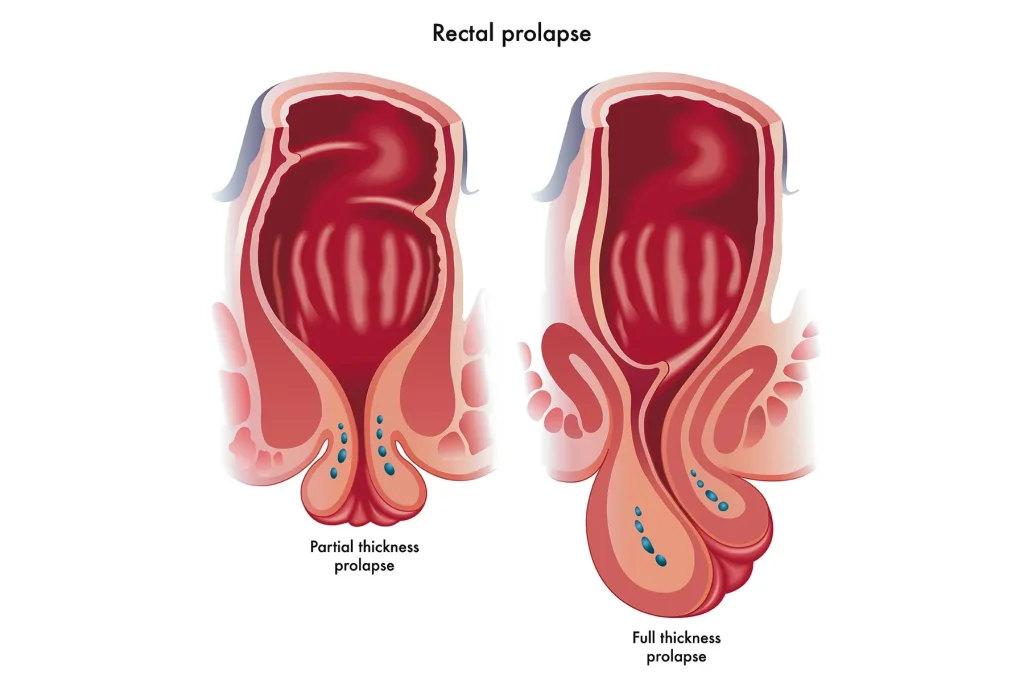
The rectum is lifted and fixed, not removed

Often done using laparoscopic (keyhole) surgery
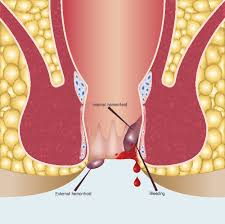
May be combined with piles surgery if hemorrhoids coexist
How Rectopexy Helps You (At a Glance)
| Patient Concern | What Often Causes It | How Rectopexy Helps |
|---|---|---|
| Rectum coming out | Weak pelvic support | Fixes rectum back in place |
| Piles surgery failed | Prolapse not treated | Corrects root problem |
| Incontinence or leakage | Rectal instability | Improves control over time |
| Recurrent prolapse fear | Incomplete treatment | Offers long-term fixation |
This overview helps patients understand why rectopexy exists and what it realistically achieves within seconds.
Is Rectopexy Right for You? Dr. Rakesh Dhupia Jain Explains
This procedure may be suitable if:
You have complete or near-complete rectal prolapse
Piles are associated with Grade III–IV prolapse
Previous piles surgery did not help
You experience bowel control issues
You have piles without rectal prolapse
Symptoms are limited to bleeding or pain only
A careful examination is essential before deciding. Not every patient with piles needs rectopexy — and not every prolapse patient needs piles surgery.
What to Expect Before Treatment
Your evaluation focuses on clarity:
Detailed symptom discussion
Physical examination and imaging if needed
Explanation of all suitable options
Honest discussion of risks and recovery
There is no pressure to decide immediately. The goal is understanding, not urgency.
Treatment Journey: From First Visit to Recovery
1. Diagnosis
Confirm rectal prolapse and hemorrhoid grade
2. Planning
Decide laparoscopic vs open approach
3. Surgery
Performed under general anesthesia
3. Hospital Stay
Usually 2–3 days
3. Follow-up
Focus on bowel habits and pelvic support
Each step is planned to reduce complications and recurrence.
Recovery, Safety, and Long-Term Results
Higher discomfort initially compared to piles surgery
Gradual improvement over 2–3 weeks
Return to light work in about 2 weeks
Full recovery in 3–4 weeks
Laparoscopic rectopexy is associated with low recurrence rates and meaningful improvement in continence when performed for the right indication, as supported by colorectal surgery guidelines (e.g., NHS and peer-reviewed colorectal literature).
Why Patients Trust Dr. Rakesh Dhupia Jain
Patients value clear guidance and ethical decisions, especially for surgery.
15+ years of colorectal and laparoscopic experience
Ability to manage rectopexy with or without piles surgery
Clear, ethical explanations
Focus on functional recovery, not just surgery
As a respected Best Laparoscopic Surgeon in Indore, he emphasizes choosing the right operation — not the most common one.
FAQs About Rectopexy Piles Surgery in Indore
A surgeon trained in colorectal and laparoscopic procedures is essential. Dr. Rakesh Dhupia Jain is known for managing rectal prolapse with grade-appropriate surgical care.
No. Rectopexy treats rectal prolapse. It may be combined with piles surgery when both conditions are present.
It is more uncomfortable than standard piles surgery initially, but pain improves steadily with proper care.
Most patients resume light activity within 2 weeks and recover fully by 3–4 weeks.
Costs are higher than piles surgery due to complexity, hospital stay, and anesthesia, especially with laparoscopic techniques.
When done by an experienced surgeon, rectopexy is a well-established and safe procedure with low recurrence.
Book a Consultation
If you’re dealing with advanced piles, prolapse, or bowel control issues, a consultation can clarify whether rectopexy, piles surgery, or a combined approach is right for you. Dr. Rakesh Dhupia Jain provides private, respectful, and transparent guidance — so you can decide with confidence.