
Laser Hemorrhoidectomy in Indore – Trusted Grade III–IV Piles Surgery with Dr. Rakesh Dhupia Jain
If you are dealing with large, painful, or prolapsing piles that no longer go back inside, it is normal to feel anxious. Many patients in Indore come after months—or years—of bleeding, pain, or failed laser treatments that only partially helped. By the time piles reach Grade III or Grade IV, uncertainty about which surgery is right becomes the biggest fear.
This is where Laser Hemorrhoidectomy and Laser-Assisted Excisional Piles Surgery in Indore play an important role.
Dr. Rakesh Dhupia Jain, an experienced and reassuring surgeon, helps patients understand when excision is necessary and how laser precision makes it safer and more controlled. As a Best General Surgeon in Indore, his approach is calm, honest, and focused on long-term comfort—not trends.
Why Patients in Indore Need Laser Hemorrhoidectomy
Piles develop due to increased pressure in rectal veins, often linked to constipation, prolonged sitting, or strain during bowel movements. Early symptoms are easy to ignore.
Common signs patients overlook:
Ignoring repeated bleeding during stools
Depending only on ointments or short-term laser shrinkage
Delaying treatment due to fear of pain or downtime
Piles that come out during bowel movement and need manual pushing
Constant anal discomfort or mucus discharge
Large external lumps causing pain while sitting
Persistent anemia from blood loss
Recurrent infections or thrombosis
Higher chance of recurrence after incomplete treatment
Clinical data shows that advanced hemorrhoids (Grade III–IV) often need definitive excisional surgery for durable relief, as supported by colorectal surgery guidance from the NHS.
What Is Laser Hemorrhoidoplasty and How It Helps
Laser Hemorrhoidectomy is a precision-based surgical procedure used mainly for Grade III and Grade IV piles, where simple laser shrinkage is not enough.
Depending on the type and grade of piles, Dr. Rakesh offers:
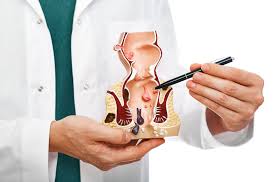
Removes the diseased hemorrhoidal tissue
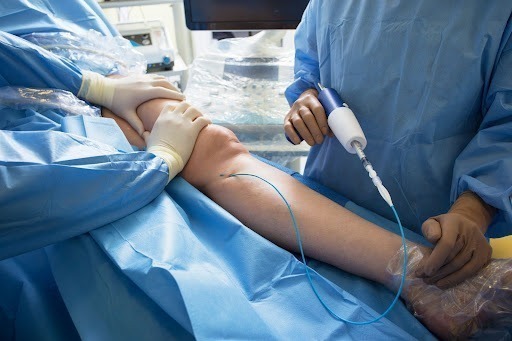
Uses laser energy to seal blood vessels instantly
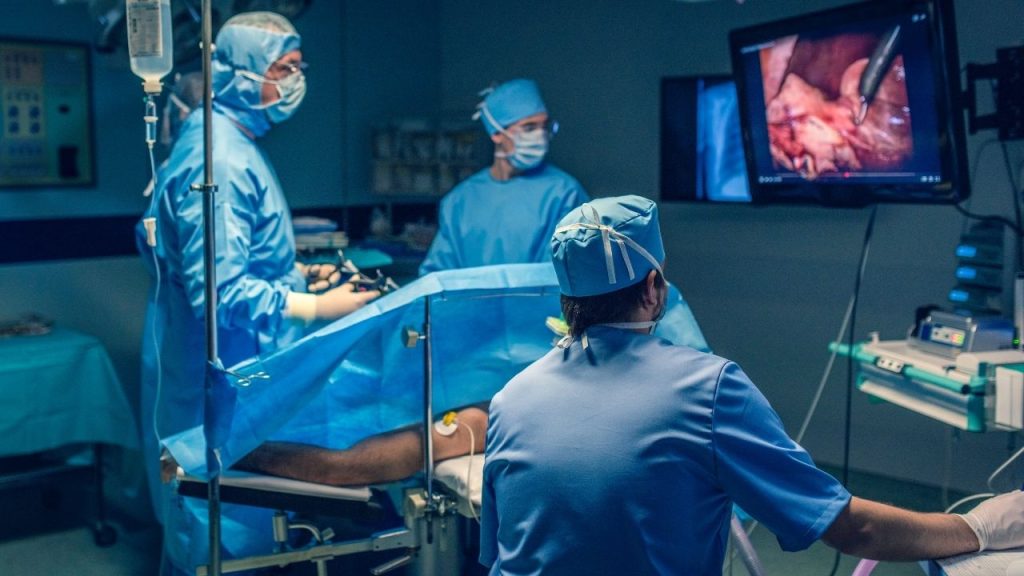
Reduces bleeding compared to traditional open surgery
In Laser-Assisted Excisional Piles Surgery, the surgeon combines:
Surgical excision (to remove bulky or external piles)
Laser coagulation (to control bleeding and improve healing)
What this means for you is a more controlled operation with clearer margins, lower blood loss, and better outcomes for advanced disease.
How Diode Hemorrhoidectomy Helps You (At a Glance)
| Patient Concern | What Often Causes It | How Laser Hemorrhoidectomy Helps |
|---|---|---|
| Large prolapsing piles | Advanced vein enlargement | Removes the diseased tissue completely |
| Ongoing bleeding | Fragile, exposed vessels | Laser seals vessels during excision |
| Fear of recurrence | Incomplete prior treatment | Definitive removal lowers repeat risk |
| Diabetes or slow healing | Poor wound response | Laser precision reduces tissue trauma |
| Failed previous laser | Shrinkage without excision | Combines excision with laser control |
Is Laser Hemorrhoidectomy Right for You? Dr. Rakesh Dhupia Jain Explains
LHP may be considered if:
You have Grade III or Grade IV piles
Piles remain outside or recur after earlier laser treatment
There are large external components
You want a definitive solution, not repeated procedures
You have early Grade I–II piles
Symptoms respond well to non-excisional options
Dr. Rakesh clearly explains all available options before recommending surgery.
What this means for you is clarity—no pressure and no unnecessary procedures.
What to Expect Before Treatment
Before proceeding with LHP, you can expect:
Detailed symptom discussion
Why excision is recommended
Gentle clinical examination
Expected pain level and recovery time
Basic blood tests and fitness assessment
Cost range and insurance/Ayushman coverage
There is no rushed decision-making—clarity comes first.
Treatment Journey: From First Visit to Recovery
1. Diagnosis
The grade and type of piles (internal, external, mixed) are confirmed.
2. Planning
Laser hemorrhoidectomy or laser-assisted excisional surgery is selected based on anatomy.
3. Surgery
- Duration: 30-45 minutes
- Anesthesia: General or spinal
- Hospital stay: Usually 1 day
4. Follow-up
- Pain control and wound care guidance
- Diet advice to avoid constipation
- Scheduled reviews to ensure proper healing
Recovery, Safety, and Long-Term Results
Moderate pain for 2–4 days, gradually reducing
Return to desk work in 5–7 days
Complete recovery in 2–3 weeks
~90% long-term symptom relief
Very low recurrence when excision is adequate
Complication rates under 4% in experienced hands, consistent with peer-reviewed surgical studies
Follow-up visits help maintain results and prevent recurrence.
Why Patients Trust Dr. Rakesh Dhupia Jain
Patients value Dr. Rakesh’s balanced approach because he offers:
15+ years of experience complex colorectal surgery
Expertise in laser, open, stapled, and combined techniques
Honest advice for post-laser failure and recurrent cases
Calm communication focused on long-term outcomes
As a Best Laparoscopic Surgeon in Indore, his focus remains on long-term comfort, not just short-term relief.
https://www.drrakeshdhupia.com/
FAQs About Laser Diode Laser (980nm/1470nm) Piles Surgery in Indore
Patients often choose Dr. Rakesh Dhupia Jain for advanced piles because of his experience with both laser and traditional excisional surgeries, allowing proper treatment even in Grade IV cases.
Pain is usually moderate for a few days and controlled with medicines. Laser helps reduce bleeding and tissue trauma compared to conventional open surgery.
Most patients resume desk work in about a week. Complete healing generally takes 2–3 weeks, depending on pile size and overall health.
No. Early-stage piles often respond to non-surgical treatments. Surgery is advised mainly for advanced or recurrent cases.
Costs usually range between ₹55,000 and ₹92,000, depending on complexity, hospital, and laser technique used.
When performed by an experienced surgeon, it is considered safe with low complication and recurrence rates.
Book a Consultation
If you are struggling with advanced or recurrent piles, delaying treatment often increases discomfort and complexity.
Clear explanation of your condition
Honest discussion of all options
Respectful, private care