
Diode Laser (980nm / 1470nm) Piles Surgery in Indore – Trusted Care with Dr. Rakesh Dhupia Jain
Bleeding during stools, discomfort while sitting, or the worry that piles may suddenly worsen can quietly disturb daily life. Many patients in Indore delay treatment because they fear pain, cuts, or a long recovery. If you are searching for a modern, precise, and less painful option, Diode Laser (980nm/1470nm) piles surgery in Indore offers a reassuring path forward.
Dr. Rakesh Dhupia Jain approaches piles treatment with one clear priority: choose the right laser, for the right grade, for the right patient. As a
Best General Surgeon for Piles in Indore, he helps patients understand their condition calmly and recommends laser treatment only when it genuinely offers long-term benefit.
Why Patients in Indore Consider Diode Laser Treatment for Piles
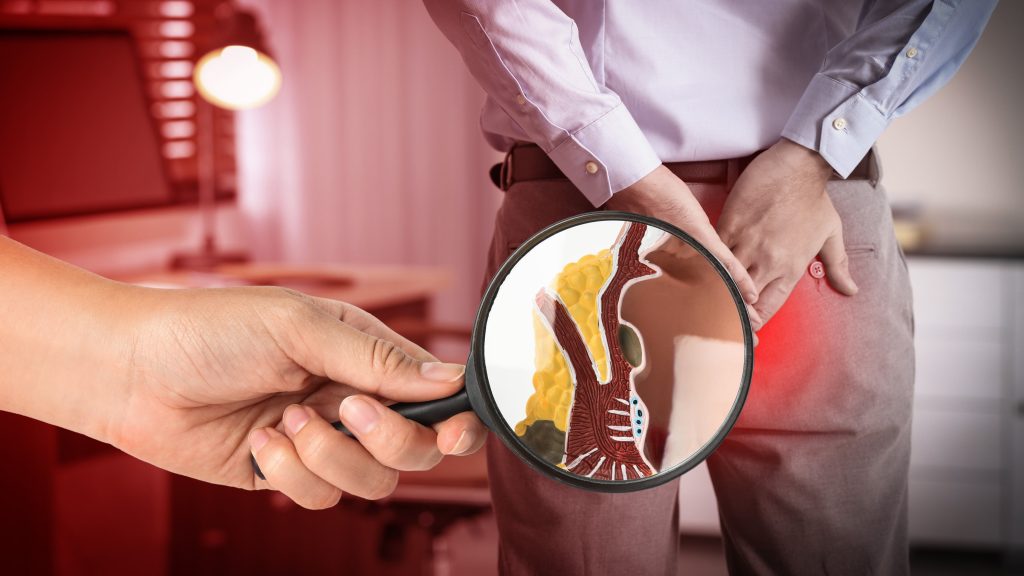
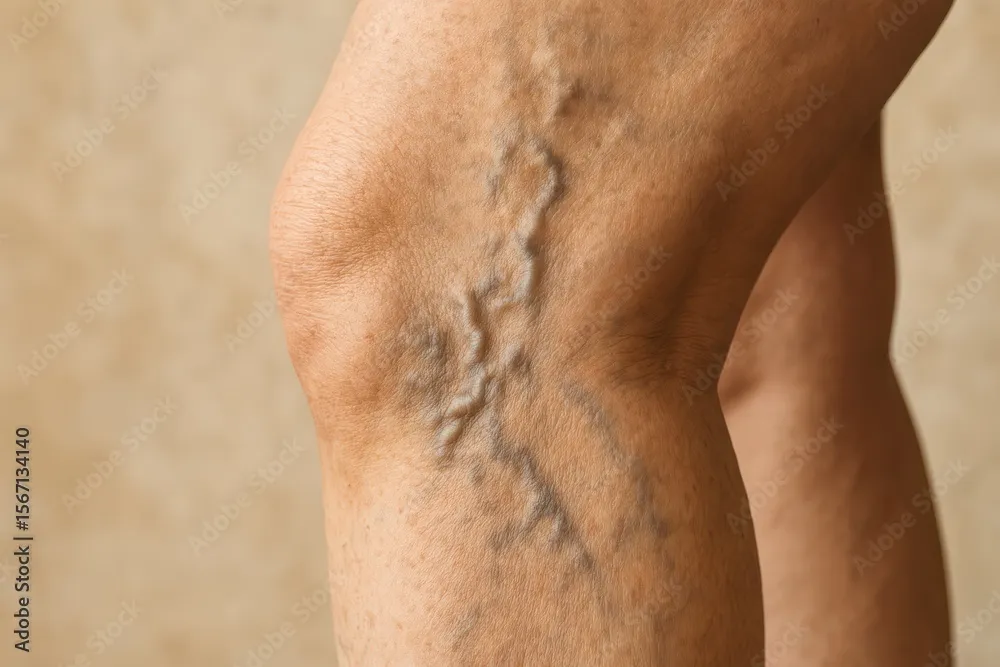
Piles develop due to increased pressure in rectal veins, often linked to constipation, prolonged sitting, or strain during bowel movements. Early symptoms are easy to ignore.
Common signs patients overlook:
Fresh blood during or after stools
Mild swelling or heaviness around the anus
Discomfort that comes and goes
When untreated, piles can progress from Grade II to Grade III or IV, leading to prolapse and persistent bleeding. Studies referenced by the NHS indicate that minimally invasive laser treatments can reduce pain and recovery time when applied at the correct stage of disease.
What Is Laser Hemorrhoidoplasty (980nm/1470nm) Piles Surgery and How It Helps
Diode laser piles surgery is a minimally invasive technique that treats hemorrhoids from the inside without open cuts.
Depending on the type and grade of piles, Dr. Rakesh offers:
A laser fiber delivers controlled heat into the pile mass
The heat shrinks the swollen veins and seals bleeding vessels
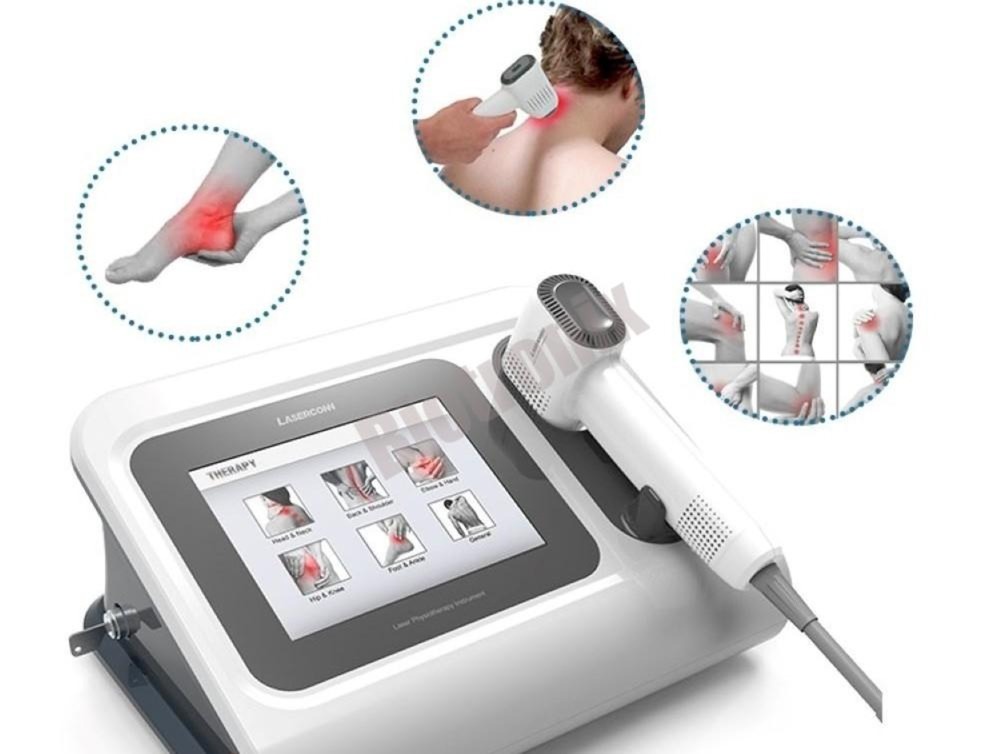
Over time, the treated tissue reduces in size and symptoms settle
What this means for you is less tissue damage, minimal pain, and faster return to routine compared to conventional surgery.
Both 980nm and 1470nm diode lasers are used, but each serves a different purpose depending on pile grade and symptoms.
Laser vs Open vs Stapler Complete Indore Comparison
Choosing the right piles treatment can be confusing. Laser piles treatment provides a highly effective balance of minimal downtime and good success, making it ideal for working professionals, women post-childbirth, and patients who cannot afford long recovery periods.
The choice of procedure depends on pile grade, recurrence risk, and lifestyle needs, all of which Dr. Rakesh evaluates personally before recommending laser or another approach.
980nm vs 1470nm Diode Laser: Which One Is Used and Why
Patients often hear “laser treatment” without understanding the difference. Dr. Rakesh explains this clearly.
Key reasons patients trust him:
Absorbed mainly by hemoglobin
Very effective for bleeding-dominant Grade II–III piles
Slightly higher thermal spread but excellent bleeding control
Absorbed primarily by water in tissues
Causes precise shrinkage with minimal heat spread
Preferred for Grade III piles, diabetic patients, and those concerned about pain
Clinical data shows success rates of around 87% with 980nm and up to 89% with 1470nm, with lower recurrence when the wavelength is matched correctly to the condition.
How Diode Laser Piles Surgery Helps You (At a Glance)
| Patient Concern | What Often Causes It | How Diode Laser Helps |
|---|---|---|
| Recurrent bleeding | Engorged hemorrhoidal veins | Seals vessels and reduces blood flow |
| Fear of surgical cuts | Anxiety about wounds and stitches | No open incisions or excision |
| Early prolapse | Enlarged internal piles | Shrinks tissue gradually |
| Work disruption | Long recovery from surgery | Resume work in 3–5 days |
| Pain sensitivity | Anal nerve-rich area | Minimal thermal spread with laser |
Is Diode Laser Piles Surgery Right for You? Dr. Rakesh Dhupia Jain Explains
LHP may be considered if:
You have Grade II or Grade III piles
Bleeding persists medicines and diet changes
You want a day-care, minimally invasive option
You want quicker recovery with minimal pain
Piles are large, permanently prolapsed, or thrombosed
There is significant external disease
If you are unsure, Dr. Rakesh reviews all options honestly, including non-laser or surgical alternatives when needed.
What to Expect Before Treatment
Before proceeding with LHP, you can expect:
A detailed discussion about symptoms and bowel habits
Which wavelength (980nm or 1470nm) suits your case
Clinical examination to assess pile grade
Expected recovery and limitations
Basic tests, if required, for safety
Transparent cost and Ayushman eligibility
There is no rushed decision-making—clarity comes first.
Treatment Journey: From First Visit to Recovery
1. Assessment
Accurate grading and laser selection.
2. Planning
Choosing the correct diode wavelength for best outcome.
3. Procedure
- Duration: 20–35 minutes
- Anesthesia: Local or spinal
- Hospital stay: Same day discharge
4. Follow-up
- Short review visits to monitor healing
- Guidance diet, fluids, and bowel habits
Recovery, Safety, and Long-Term Results
Low pain, controlled with simple medication
Walking and sitting comfortably within 24 hours
Return to work in 3–7 days
87–89% symptom relief in suitable patients
Low to moderate recurrence, reduced further with lifestyle correction
Very low complication rates when performed by experienced surgeons
Follow-up visits help maintain results and prevent recurrence.
Why Patients Trust Dr. Rakesh Dhupia Jain for Diode Laser Treatment
Patients value Dr. Rakesh’s balanced approach because he offers:
15+ years of experience in piles and colorectal surgery
Expertise in with both 980nm and 1470nm diode lasers
Honest advice about laser limitations and alternatives
Clear, calm explanations without pressure
As a
Best Laparoscopic Surgeon in Indore, his focus remains on long-term comfort, not just short-term relief.
FAQs About Laser Diode Laser (980nm/1470nm) Piles Surgery in Indore
Many patients consult Dr. Rakesh Dhupia Jain due to his experience with dual-wavelength diode lasers and proper grade-based treatment planning.
Pain is usually mild. Since there are no open cuts, discomfort is significantly less than traditional surgery.
Most patients resume normal activities within 3–7 days, depending on pile grade and laser wavelength used.
No. Early piles often respond to diet and medicines. Laser or surgery is considered when symptoms persist or worsen.
Costs generally range between ₹45,000 and ₹75,000, depending on wavelength, grade, and hospital setup.
When performed by an experienced surgeon, diode laser treatment is considered safe with a low risk of complications.
Book a Consultation
If piles are affecting your comfort or confidence, early guidance can prevent future complications.
Understand your pile grade clearly
Know whether 980nm or 1470nm laser is right for you
Decide calmly, without fear or pressure